

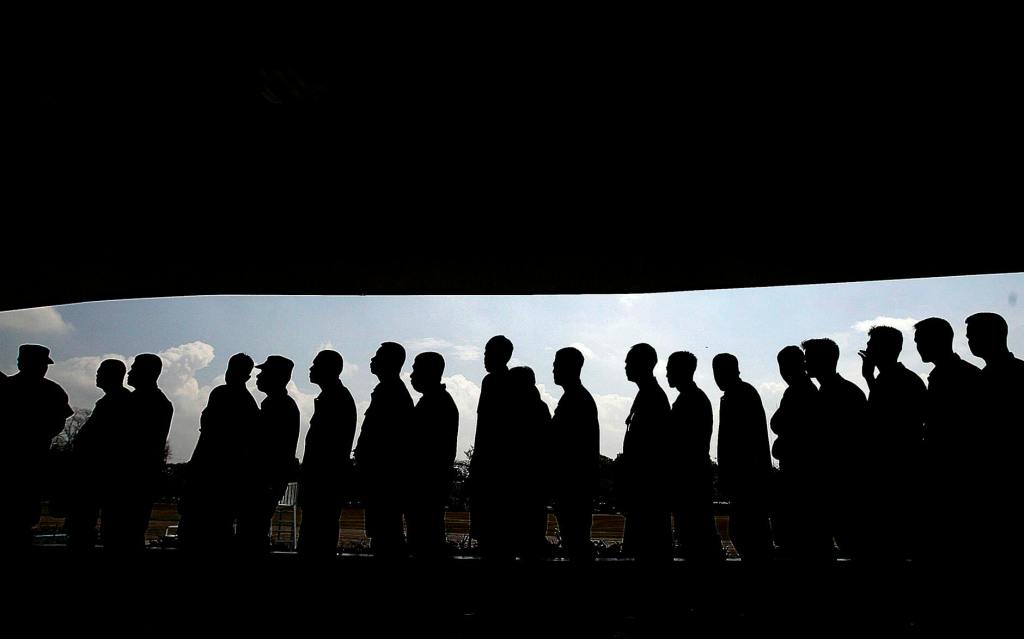
The scouting party sent out by the Israelites in this passage consisted of leaders (Numbers 13:3). One would expect such men to display wisdom, restraint, and sound judgment. As representatives of a people specially called and chosen by God, they should have been the best among them.
For forty days they explored the vast land and returned with both a report and samples of its produce (Numbers 13:21–22, 25). Their report offers profound lessons about faith and fear. Mainly, our faith determines whether we walk into God’s promises or retreat from them.
Firstly, they all saw the same land, the same cities, and the same people. Yet they returned with two very different perspectives: ten spies responded with fear, two responded with faith.
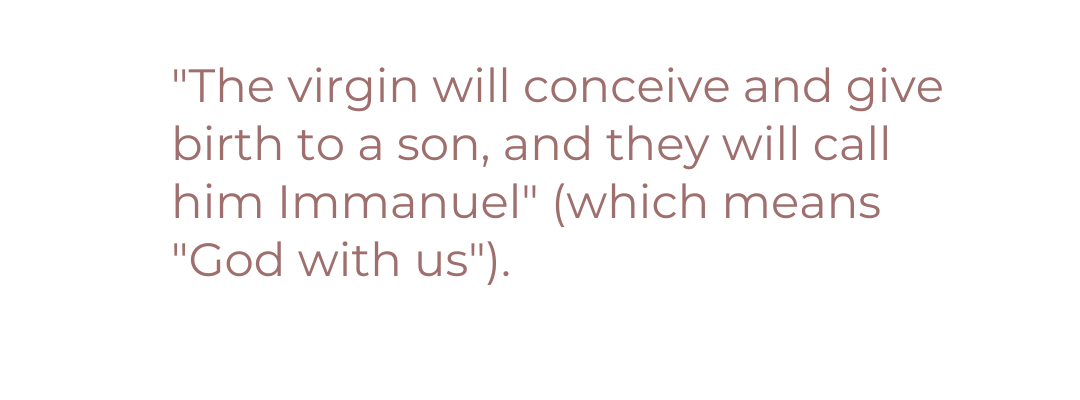
In verse 27 the fearful scouts reported:
This was entirely consistent with what God had already said in Exodus 3:8:
The Lord had repeated this promise many times—after the first Passover (Exodus 13:5), even after Israel’s sin with the golden calf (Exodus 33:3), and again while giving them instructions for holy living (Leviticus 20:24), among other occasions.
Fear began to inflate the problem and distort reality. They declared that the inhabitants were too strong and that Israel could not attack them (Numbers 13:31). They even claimed that “the land devours those living in it.” In their eyes, they seemed like grasshoppers compared to the people of the land—and they assumed the inhabitants saw them the same way.

That is what fear does. It distorts our perspective and makes things seem insurmountable. The Israelites believed the negative report and lost heart. In their fear, they began to view slavery in Egypt—a life of oppression—as preferable to the unknown future ahead of them.
Instead of the promised blessings, they saw their wives and children being taken as plunder and their lives lost by the sword (Numbers 14:2-3). Tragically, fear caused them to miss out on the blessing God had given them. They refused to lay claim to it and take possession.
Faith births courage and action. Fear causes us to shrink back and stagnate.
Faith, on the other hand, led Caleb and Joshua to glorify God, rightly elevating Him above the very real challenges ahead of them. They chose to believe God at His word despite what they saw. They were certain they could take possession of the land.
Where others saw giants that could squash them like “grasshoppers”, they saw prey, “bread”, because they were looking beyond the natural (Numbers 13:31-33; 14:7-9). When God gives a command or a promise, we must resolve never to allow fear to steal it from us.
The Danger of Seeking Confirmation for Our Fears
Looking at the same account in Deuteronomy 1:19-40 reveals an interesting detail. It was the leaders who suggested sending out spies to scout the promised land (Deuteronomy 1:22). While this was a prudent idea, it’s also possible something else was at play. Perhaps the leaders asked for a search party because they were afraid. They’d just crossed a “great and terrible wilderness” and now were approaching unfamiliar territory. It’s human to seek reassurance in the face of uncertainty and discomfort.
Yet it wasn’t unknown, not really. God had already promised, “I’m giving you a land filled with milk and honey.” That’s the most important information they needed to know going in. If they’d needed further details, God surely would have revealed them. This moment reminds one of Adam and Eve who sought knowledge of good and evil after God had expressly forbidden it. Their desire for knowledge went beyond trust in God.

I’m not saying it is wrong to be informed and prepared. No, that is prudent. However, we sometimes seek information not to prepare ourselves but to confirm fears we are already entertaining. Without discernment or staying focused on Christ, the same information meant to prepare us could feed our fears and weaken our faith instead. We need to ask God to give us His perspective to see people and things as He does when we seek information, not to scout independently of Him.
When we don’t keep our eyes on Christ and the truth that He is always with us, the bad soon outweighs the good, and the risks outweigh the benefits in our minds. For example, the scouts brought back a single cluster of grapes, some pomegranates and some figs. However, the weight of their words of caution far outweighed these samples. They spoke far more about the challenges than about the blessings.
This is a good reminder to be careful about how we search for information, how we process it, and how we share it with others.
The Parallel Paths of Faith and Fear
Faith and fear operate in remarkably similar ways. In many respects, they are opposite sides of the same coin. Both come by:
- Hearing a word
Faith begins with hearing God’s Word:
“So, then faith comes by hearing, and hearing by the word of God” – Romans 10:17.
Fear often enters our hearts by listening to words that contradict God’s Word, be it the news, a friend’s opinion, a business report, family beliefs, a doctor’s prognosis, and so on.
- Believing it

For anything to take root in our lives, we must agree with it on some level – even a subconscious one. For example, insults only gain power over us when we internalize them.
Faith grows when we believe God’s Word. Fear grows when we accept negative reports as ultimate truth.
In Shona, we say “kuzvigamuchira,” which means to receive it. You have to be convinced of something before it has any effect on you otherwise it is just a moot point, background noise, something that has nothing to do with you.
- Meditating on it.
Once belief sets in, then comes ruminating. This minds replays the message and it stays with us. We turn it over repeatedly, examining every angle. This works with Good News i.e. God’s Word and with bad news. Unfortunately, many of us find it easier to dwell on negative messages. It takes intentional effort to redirect our thoughts toward God’s Word and His promises.
- Confessing it
When something fills our hearts, we naturally speak about it. Exciting news spills out in conversation. The same is true for troubling news. We repeat it, discuss it, analyse it, and sometimes amplify it. Words have power, especially when we speak them repeatedly. Scripture teaches that salvation itself involves believing in the heart and confessing with the mouth (Romans 10:9). How we speak matters. That’s not to say we must deny reality or lie; however, how we speak about things can either magnify fear or magnify God.
- Living according to it
What we believe eventually shapes our behaviour.
If I hear a traffic report about an accident on a certain road, I will avoid that route. I have believed the report, and the fear of being stuck in traffic affects my actions.
Faith works similarly. If I truly believe God’s words—such as His declaration that He loves me and I’m precious and honoured in His sight (Isaiah 43:4)—that belief will influence how I see myself, how I speak, and how I live.
- Experiencing the harvest
Both faith and fear produce a harvest in our lives. What begins as a word grows through belief, meditation, confession, and action. Over time, it shapes our inner life before flowing outwards and shaping our circumstances.
Final Thought
The Israelites stood at the edge of promise, but fear convinced them to turn back. We face similar moments in our own lives. When God gives a promise or calls us forward, we must decide which voice will guide us: fear or faith. The voice we listen to, believe, and repeat will determine the path we walk and the future we experience. Faith produces life and courage. Fear produces limitation and retreat.
Love,






















 iBloom for God